 Lavamere
Understand the microbial environment inside porous wash accessories and how to disinfect them weekly. You will discern when an implement can be sanitized and when replacement is prudent.

- Fibrous organic sponges trap dead keratin cells and moisture, encouraging fungal growth.
- Soaking natural wash tools in diluted vinegar or peroxide solution retards mold.
- Implements must be suspended away from shower spray to dry between applications.
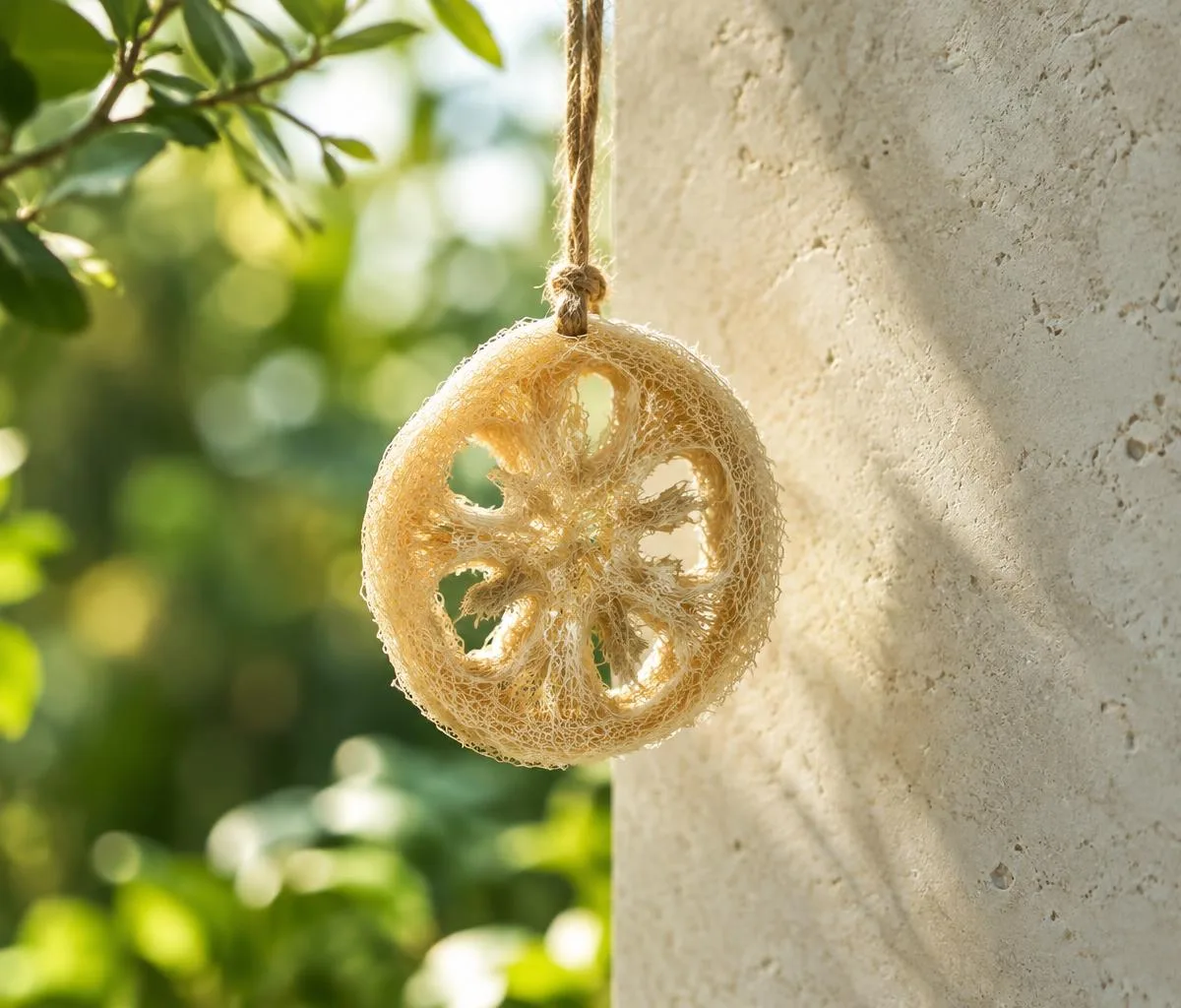
Natural bathing implements derived from marine fauna and terrestrial flora offer an exceptional tactile experience, yet their organic constitution demands diligent stewardship. The fibrous interior of the dried cucumber vine, commercially known as the loofah, and the fibrous collagen architecture of harvesting-grade sea sponges possess intricate networks of voids. These internal geometries soften pleasantly when saturated with warm water, gently lifting debris from the stratum corneum while generating a rich, velvety lather with fine toilet soaps.
Because these articles originate from living organisms rather than synthetic polymers, they remain inherently subject to biological degradation. Without a disciplined maintenance routine, the warmth and persistent humidity of the modern domestic washroom transform these luxurious accessories into incubators for microbial flora. Establishing a rigorous standard of care preserves their mechanical integrity, honors the bathroom environment, and safeguards the skin from irritation or secondary contamination.
Porosity and Organic Matter Retention
The very structural features that make natural implements desirable during ablutions also render them susceptible to contamination. A natural sea sponge, such as the Mediterranean silk sponge or the wool sponge, is constructed from spongin, an insolubilized scleroprotein that forms an elastic skeletal web. A vegetable loofah, derived from the dried fruit of Luffa aegyptiaca or Luffa acutangula, comprises a network of cellulose and lignin vascular bundles. Both materials contain thousands of micro-cavities that retain fluid through capillary attraction.
During the bathing ritual, these pores collect more than simple water and soap. Sloughed epithelial cells, cutaneous lipids, perspiration residues, and environmental dust become trapped deep within the central matrix. Surfactants from soaps often bind with hard water minerals, forming insoluble alkaline salts that coat the internal strands. If left unaddressed, this matrix of moisture, warm ambient temperatures, and organic sustenance creates an ideal medium for bacteria, particularly species of Pseudomonas and Staphylococcus, as well as opportunist fungi.
Synthetic wash puffs dry quickly due to their hydrophobic plastic filaments, but natural sponges retain moisture for prolonged intervals. In an unventilated enclosure, the interior of a dense sea sponge may remain damp for forty-eight hours or longer. This interior moisture allows residual bacterial colonies to double within several hours. Simple surface rinsing under the shower head is insufficient to clear the dense core of these biological filters; deliberate mechanical flushing and periodic decontamination are necessary to maintain wholesome conditions.
Weekly Sanitizing Methods for Vegetable Fibers
To arrest microbial proliferation without unraveling the cellular matrix, one must implement a weekly sanitation protocol. The chemical composition of vegetable cellulose allows for methods that would destroy delicate animal proteins; therefore, loofahs permit slightly more robust interventions than marine sponges. The following measures have proven effective in household settings.
Thermal Sanitation via Moist Heat
Thermal processing offers an effective, chemical-free intervention for vegetable loofahs. Submerging the loofah in a pot of boiling water for three minutes alters the cellular structure of latent bacteria, neutralizing common household contaminants. The loofah must be kept fully submerged beneath the boiling surface using stainless steel tongs. Alternatively, a saturated loofah may be placed within a microwave oven on high output for precisely thirty seconds. One must never microwave a dry loofah, as dehydrated vegetable cellulose poses an immediate combustion hazard.
Acidic Submersion
An acidic soak acts as a gentle cleansing bath that dissolves alkaline soap scum while curbing fungal spores. To prepare this bath, combine one part distilled white vinegar containing five percent acetic acid with three parts warm water. Submerge the loofah completely for twenty minutes. This bath loosens the calcium soaps adhering to the vegetable ribs and restores a balanced pH to the fiber matrix. Following submersion, rinse the tool thoroughly in running cool water to dispel residual vinegar scent.
Oxygen-Based Decontamination
When deeper sanitation is warranted, a mild solution of standard household hydrogen peroxide diluted to a three percent concentration provides thorough oxidation. Immerse the loofah in an undiluted volume of three percent hydrogen peroxide for fifteen minutes. The effervescent action reaches into micro-voids, mechanically lifting trapped particulate matter while oxidizing microbial cell membranes. Rinse the loofah twice with cold water before suspension drying.
| Sanitation Technique | Primary Mechanism | Permissible Substrate | Duration |
|---|---|---|---|
| Moist Boiling | Thermal denaturation | Loofah only | Three minutes |
| Dilute Acetic Acid | pH depression and chelation | Loofah and Sea Sponge | Fifteen to twenty minutes |
| Hydrogen Peroxide (3%) | Cellular oxidation | Loofah only | Ten to fifteen minutes |
| Dilute Bicarbonate Soak | Odor neutralization | Sea Sponge exclusively | Fifteen minutes |
For genuine sea sponges, thermal extremes and concentrated oxidizers must be avoided. Boiling water causes spongin fibers to shrink and turn brittle, while chlorine bleach will dissolve the protein structure entirely. For marine sponges, use solely the dilute vinegar protocol, or a mild bath containing fifteen grams of sodium bicarbonate dissolved in two hundred milliliters of warm water, allowing the sponge to soak for fifteen minutes before gentle compression.
Storage Solutions to Facilitate Rapid Dehydration
Decontamination protocols prove futile if the implement is subsequently returned to a damp microclimate. The velocity at which an organic tool dries dictates its microbial burden. Mold spores and bacterial cells require continuous relative humidity above sixty-five percent to sustain metabolic growth. Consequently, the primary objective post-wash is to achieve dry interior fibers within four to six hours.
The common practice of resting a damp sea sponge on a flat shower ledge or within an unventilated niche is ill-advised. Surface contact blocks airflow across the bottom face, producing a stagnant puddle that softens the fibers and promotes mildew. Implement the following physical measures to support rapid evaporation:
- Centrifugal Extraction: After the final rinse, press the sponge or loofah firmly between open palms to evacuate water. Never twist or wring the implement, as torsional stress ruptures the internal septa of sea sponges and tears the longitudinal fibers of loofahs.
- Suspended Elevation: Affix a natural linen or cotton cord through the body of the implement. Suspend the item from a hook situated entirely outside the immediate shower stall, preferably in a corridor or bathroom area with free air movement.
- Slotted Support Ware: If the tool must rest on a surface, choose a raised ceramic, teak, or stainless steel rack with narrow contact ridges. The surface beneath should be wiped dry regularly to prevent stagnant pooling.
- Forced Airflow: Operate the bathroom mechanical ventilation fan for thirty minutes after showering. In humid climates, moving the suspended sponge to a bedroom window ledge or near an air register ensures complete dehydration.
Signs of Structural Degradation and Mildew
Even with scrupulous care, organic materials possess a limited service lifespan. Bathing tools undergo physical abrasion, chemical interaction with cleansing surfactants, and environmental oxidation. Users must inspect their tools weekly for indications that the material has reached the end of its useful hygiene life.
A primary warning indicator is chromatic shifting. Natural sea sponges vary from pale ecru to rich honey amber, while loofahs exhibit a light wheat tone. The emergence of grey, slate, or black speckling indicates colonization by fungal hyphae, commonly known as black mold. Once hyphae penetrate the interior channels of a porous sponge, surface sanitation cannot eradicate the fungal roots. A sudden, uneven darkening of the core likewise indicates internal rot.
Tactile changes provide an equally reliable diagnostic. If the fibers take on a slippery, slimy sensation under running water that persists after all soap has been cleared, a protective bacterial biofilm has colonized the substrate. Alternatively, if a sea sponge sheds substantial crumbs during simple compression, or if a loofah collapses into an unyielding, papery mat, the structural matrix has degraded. At this stage, the material loses its cushion and abrasive balance, becoming an irritant to delicate skin.
Olfactory evaluation must never be neglected. A sound sponge retains a faint, briny scent reminiscent of clean ocean air, whereas a vegetable loofah possesses a neutral, dried-grass aroma. Any sour, musty, or sulfurous odor signals that internal rot has commenced. An implement displaying this trait should be retired immediately, as repeated skin contact may aggravate folliculitis or eczema. Individuals with sensitive skin, compromised immune systems, or chronic skin disorders should consult a dermatologist if unexplained cutaneous irritation develops following the use of natural implements.
Sensible Timelines for Tool Replacement
Establishing an orderly replacement cadence prevents the inadvertent use of compromised articles. Natural hygiene accoutrements should not be treated as permanent fixtures. Their natural origin guarantees biodegradability, meaning that planned obsolescence is an innate, healthy feature of their lifecycle.
For vegetable loofahs utilized three to four times per week, complete replacement should occur every twenty-eight to forty-two days. The cellulose boundaries break down steadily under warm tap water, leading to compaction and microscopic fiber fracturing that shelters debris. Sea sponges, having a higher structural resilience due to natural spongin proteins, maintain functional integrity somewhat longer. With weekly vinegar cleansing and immediate suspension drying, a premium sea sponge maintains hygienic safety for sixty to ninety days.
When an implement reaches the conclusion of its bath service, it need not burden municipal waste streams. Provided the tool has not been sterilized with harsh industrial chemicals, it may be processed through home composting. Cut the discarded loofah into two-centimeter fragments with kitchen shears and deposit it into an active organic compost pile; the cellulose contributes beneficial aeration and carbon. Decommissioned marine sponges may similarly be chopped and buried in the garden, where their porous fragments slowly release moisture and trace oceanic minerals to the root zone of ornamental plantings.
Common Mistakes to Avoid
Well-intentioned habits often inadvertently shorten the operational life of fine bath textiles and wash tools. Forethought and restraint prevent early deterioration:
- Application of Sodium Hypochlorite: Never treat a sea sponge with standard laundry bleach. The alkaline hypochlorite chemically dissolves the peptide bonds of the spongin matrix, turning the sponge into a soft, gelatinous mass within single minutes.
- Storing Implements Within Closed Receptacles: Storing a damp sponge within a travel container, closed cabinet, or dark shower corner traps saturated air, guaranteeing fungal germination within twenty-four hours.
- Aggressive Torsional Wringing: Twisting a sea sponge to expel moisture snaps the delicate internal chambers. Compress the item only between flat hands.
- Microwaving Dry Materials: Subjecting dry vegetable fibers to microwave radiation creates an internal fire risk. If thermal microwave sanitation is selected for a loofah, saturation with clean water must be absolute.
- Communal Utility: Natural implements collect personal dermal microflora. They should remain strictly dedicated to a single bather, as sharing wash tools risks the cross-transmission of common dermatophytes and cutaneous bacterial infections.
Practical Next Steps for the Bath
Transitioning from inconsistent maintenance to an orderly ritual requires only a modest initial effort. To establish sound hygiene practices across your wash accessories, undertake the following actions this week:
- Conduct an Immediate Audit: Inspect every natural implement currently residing in your bathing quarters. Squeeze each tool dry, inspect the core for slate-colored spotting, and note any persistent musty aromas. Discard any item displaying structural collapse or deep discoloration.
- Establish Outdoor or Airy Suspension: Install two rust-proof brass or ceramic hanging pegs outside the moisture zone of the shower stall. Ensure that every sponge and loofah is provided with an untreated linen hanging loop of sufficient gauge to permit free suspension.
- Acquire Simple Sanitizing Agents: Maintain a dedicated glass vessel of distilled white vinegar and a canister of pure sodium bicarbonate within your linen closet for the weekly decontamination baths.
- Set a Routine Maintenance Day: Nominate a specific morning each week to attend to your wash implements. Submerge loofahs and sponges in their designated sanitizing solutions while refreshing domestic bath linens, turning an occasional task into an orderly routine.
By treating these natural instruments with the thoughtful consideration suited to their organic provenance, one honors the tradition of fine bathcraft while maintaining the highest standard of domestic hygiene.
This journal provides educational content only; please consult a qualified dermatologist or physician for specific medical conditions. Disclaimer