 Lavamere
Identify sebum and dust accumulation on grooming tools and apply thorough washing methods to prevent scalp irritation. You will restore wooden and synthetic brushes using mild cleansers without damaging bristles.
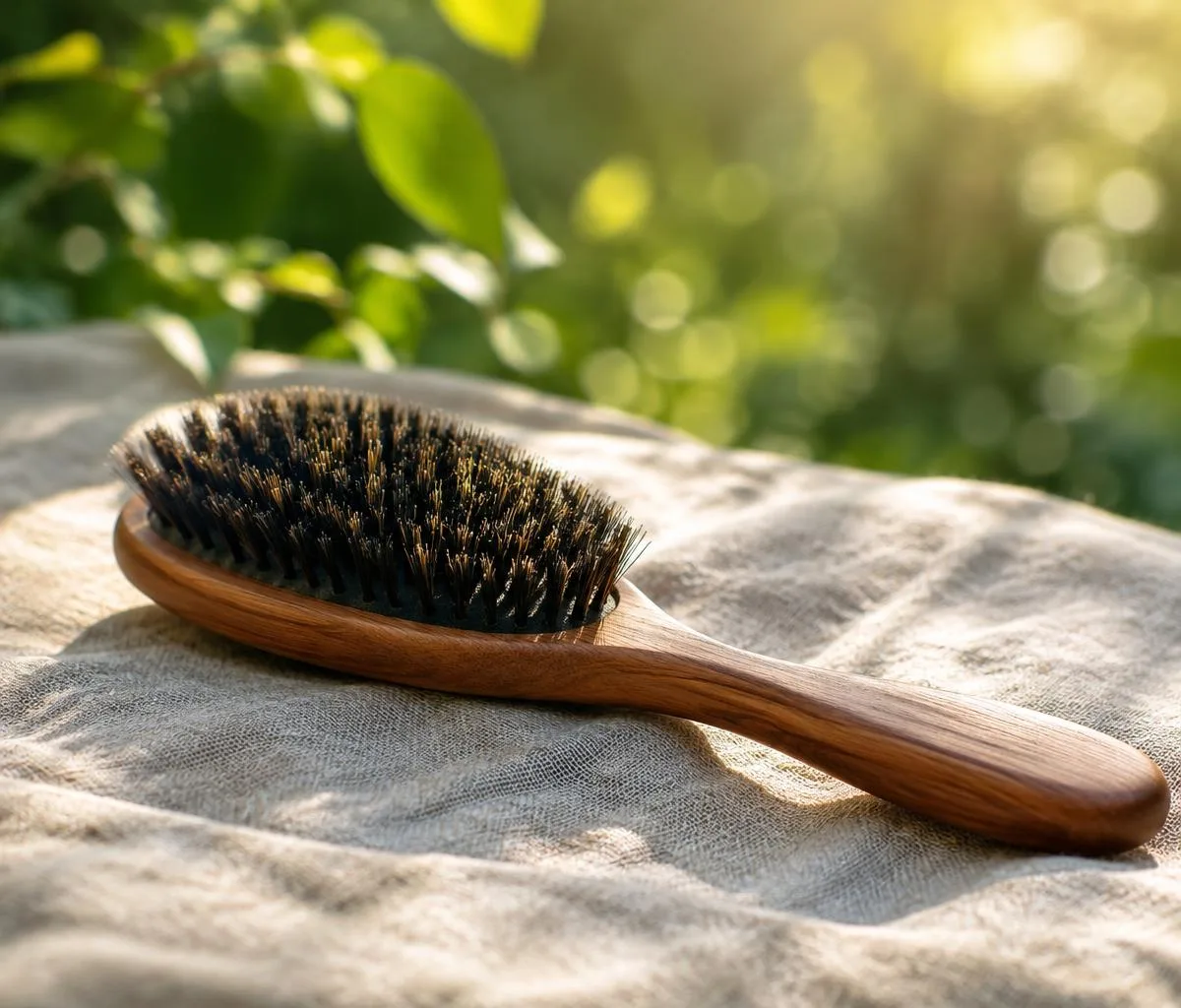

- Hair tools gather shed scales, scalp oils, and styling residues that harbor bacteria.
- Soaking synthetic tools in warm soapy water loosens debris without harming nylon pins.
- Natural boar bristle tools require gentle shampooing and brief contact with moisture.
A well-crafted brush or comb represents an intimate connection to personal grooming. Because these implements touch the hair and scalp daily, they quietly gather an assortment of organic residues, environmental dust, and cosmetic chemistries. When neglected, an unwashed tool returns those exact impurities to freshly cleansed hair, blunting shine and irritating the delicate barrier of the scalp. Maintaining these tools in a state of meticulous hygiene preserves both your personal comfort and the integrity of the bristles and handles themselves.
The care of grooming tools requires an understanding of their underlying construction. A hand-turned pearwood comb cannot withstand the vigorous water submersion suitable for an injection-molded styling comb, nor does a natural boar bristle paddle brush tolerate the same astringent detergents as a hard-rubber barbering tool. By establishing an orderly regimen of manual clearing, controlled washing, and proper drying, you extend the functional lifespan of your implements while ensuring that every stroke through the hair remains clean and restorative.
Debris Accumulation on Grooming Implements
Every passage of a brush or comb across the scalp gathers far more than loose hairs. The epidermis naturally sheds thousands of dead corneocytes each hour, and these microscopic skin scales combine with sebum, the natural lipid secretion produced by sebaceous glands. When styling products such as dry shampoos, setting sprays, pomades, and silicone-based serums are introduced, they adhere to the bristle shafts. Over days and weeks, this mixture forms a tenacious grey film that coats the base of the bristles and coats the teeth of fine combs.
In addition to biological matter, grooming implements operate as passive collectors of household particulate matter. Fibers from wool garments, airborne dust, pet dander, and microscopic textile lint settle between the tufts of bristles. If moisture lingers in the base of a cushioned brush, this dense organic mat provides a hospitable microclimate for fungal spores and bacterial colonies, notably species of Malassezia and Staphylococcus. While these organisms reside naturally on human skin, their proliferation on an unwashed brush can aggravate inflammatory scalp disorders.
Individuals managing chronic scalp concerns, such as seborrheic dermatitis, skin & nail care, or stubborn flaking, must exercise particular diligence. Reintroducing old sebum and microbial overgrowth to sensitized skin counteracts therapeutic shampoos and topical treatments. Should you observe persistent tenderness, widespread erythema, or unusual follicular inflammation, consulting a board-certified dermatologist is the prudent course of action, as tool hygiene alone cannot resolve underlying dermatological conditions.
Mechanical Removal of Entangled Hair
Before any water or cleansing solution touches a grooming implement, all trapped fibers and shed hair strands must be extracted completely. Attempting to wash a brush that remains clogged with hair forms an intractable, felted mass around the bristle bases, which traps soap scum and impedes drying. Mechanical clearing should be treated as a preparatory ritual, executed gently to avoid dislodging tufts or snapping delicate bristle tips.
A wire brush cleaner, a narrow tail comb, or a set of clean tweezers serves as the proper instrument for this task. Plastic rakes designed specifically for hair brushes are also acceptable. Avoid using domestic scissors directly against the cushion bed, as a single nick to the rubber diaphragm compromises its structural tension and allows water to pool inside permanently.
- Insert the slender metal pin or tail of a comb horizontally along the base of the cushion, running beneath the matted layer of shed hair.
- Gently lift upward with an even, rolling motion of the wrist, loosening the hair mat from the perimeter toward the center.
- Repeat this motion along perpendicular axes until the tangled strands are elevated away from the root of the bristles.
- Gather the elevated hair with your fingers or a wire rake and pull it away in a unified sheet, discarding it immediately.
- Examine the base of individual tufts for remaining lint collars. Use pointed tweezers to extract these miniature rings of lint from the individual pins, taking care not to pull the bristle tufts from their anchor holes.
Performing this simple extraction every two or three days prevents the hair from binding tightly around the bristle shafts, which significantly shortens the time required for deep wet cleanings.
Washing Protocols for Synthetic and Wooden Tools
Water temperature and surfactant selection determine whether an implement is thoroughly cleansed or inadvertently ruined. Warm water, approximately 35 to 40 degrees Celsius, softens greasy lipid residues without melting synthetic adhesives or swelling dense hardwoods. Hot water must never be employed, as it softens cellulose acetate, softens natural rubber pads, and can cause natural horn combs to warp permanently.
A mild clarifying shampoo, a gentle dishwashing liquid free of heavy dyes, or a pure Castile soap serves as an effective surfactant. Harsh household bleaches and concentrated alcohols should be avoided for routine cleaning, as they degrade the natural oils in boar bristles and cause plastic components to become brittle. The method of immersion and scrub action must be tailored strictly to the composition of the implement.
| Implement Material | Permissible Water Contact | Cleansing Agent | Scrubbing Implement |
|---|---|---|---|
| Molded Plastic / Acrylic | Full immersion for 15 minutes | Clarifying shampoo or mild dish soap | Firm nylon utility brush |
| Hard Rubber (Ebonite) | Submersion for 10 minutes | Dilute baby shampoo | Soft-bristled toothbrush |
| Varnished Hardwood | Surface contact only; no submersion | Drop of gentle soap on damp cloth | Soft cotton cloth or horsehair brush |
| Natural Horn / Tortoiseshell | Brief rinse under running water | Mild sulfate-free liquid soap | Fingertips or flannel cloth |
| Pneumatic Rubber Cushion | Surface dipping of bristles only | Lathered shampoo suds | Gentle manual agitation with fingers |
For synthetic combs and solid plastic brushes, prepare a basin with warm water and approximately 5 milliliters of mild detergent. Immerse the tools and allow the solution to dissolve stubborn styling resins. Use a designated soft-bristled cleaning brush to scrub between every tooth and bristle lane, paying close attention to the structural corners where residue collects. Rinse thoroughly under running lukewarm water until the runoff is clear and free of suds.
When attending to high-grade wooden brushes or implements set with genuine boar bristles, a cautious surface method is required. Wooden handles swell, crack, and lose their hand-rubbed finish when submerged. Instead, hold the brush face-downward over a shallow dish containing warm, soapy water, dipping only the bristle ends. Work the soapy foam up the length of the bristles using your fingers or another clean brush. Avoid saturating the wooden back. Rinse the bristles by sweeping them across a basin of clean, cool water, keeping the handle dry at all times.
Drying Orientation to Protect Brush Cushions
The drying phase is where many valuable brushes suffer irreversible damage. The core vulnerability of any paddle or pneumatic brush is the small air-ventilation orifice located on the rubber pad. If a brush is set to dry with its bristles pointing upward, residual moisture flows down the pins and drains directly into the interior chamber of the cushion. Trapped inside this dark space, moisture cannot evaporate readily, leading to internal mold growth and the gradual disintegration of the latex backing.
To dry a cushioned brush safely, place a clean, dry cotton terry towel on a flat surface away from direct heat sources. Shake the brush vigorously over a basin with a downward flick of the wrist to expel loose water droplets from the bristle field. Press the bristle tips gently against the towel to blot outward moisture. Then, rest the brush face down, resting its perimeter on the bristle tips so air circulates freely beneath the cushion.
Natural horn and fine wooden combs should be hand-dried immediately using a soft lint-free cloth. Do not place wooden tools on active radiators, in direct midday sunlight, or under electric blow dryers. Sudden thermal shifts draw moisture out of the outer layers of the wood faster than from the core, resulting in split handles and loosened bristle beds. Allow all tools to cure in an airy room with moderate ambient humidity for at least 12 hours before returning them to an enclosed drawer or travel roll.
Sanitation Intervals for Scalp Health
A disciplined sanitation calendar prevents the heavy encrustation that necessitates aggressive scrubbing. The frequency of cleansing should reflect your personal styling routine, hair density, and the presence of any dermatological conditions.
For individuals who utilize daily styling waxes, heavy silicone protectants, or dry shampoos, synthetic tools should undergo a wet cleanse once every 7 days. Dry shampoo contains absorbent starches and clays that cling tenaciously to bristle roots, rapidly drying out natural hair bristles if left unwashed. Those who use minimal styling products may extend this interval to once every 14 days without compromising tool hygiene.
Combs used strictly for detangling wet hair in the bath or shower require a weekly cleanse to eliminate conditioned film and stagnant shower water. If you share grooming implements among family members, which is generally discouraged, tools must be cleaned and disinfected with a hospital-grade or barber-approved disinfectant after each individual use. For personal brushes, a deep sanitation session every 30 days is sufficient to keep bacterial counts within normal, healthy parameters.
Common Mistakes
- Submerging pneumatic cushion brushes in deep water: Drawing water through the breather hole creates a damp internal chamber that breeds mildew and rusts internal metal bristle anchors.
- Employing household bleach or pure alcohol on natural materials: Strong chemical solvents strip natural boar hair of its cuticle scales and extract the natural oils from horn and wood, causing brittleness and cracking.
- Drying tools upright in a storage tumbler: Allowing water to run down the handle allows moisture to seep into wood grains, leading to peeling lacquer and darkened, rotted timber bases.
- Boiling grooming implements: Subjecting modern combs to boiling water distorts fine tooth alignment, melts thermoplastic joints, and softens the cement holding bristle bundles in place.
- Ignoring lint build-up around pins: Leaving fabric lint at the base of bristles causes it to wick away moisture and sebum, forming a hardened paste that is difficult to remove without bristle loss.
Practical Care Protocols for Daily Maintenance
The upkeep of grooming tools is most easily managed when integrated into a regular domestic rhythm. Begin by selecting a dedicated utility brush, such as an inexpensive small nail brush or a clean child-sized toothbrush, and place it in your linen cabinet alongside a gentle surfactant. Designate a specific tray or breathable storage pouch for your combs and brushes, avoiding the damp environment directly beside the shower basin, where humidity prevents tools from staying fully dry between uses.
Periodically examine natural wood and horn items for signs of desiccation. Once or twice each year, apply a single drop of cold-pressed jojoba oil or refined mineral oil to a soft flannel cloth and buff it into the dry wooden handles and horn teeth. This practice seals the grain against ambient moisture and restores the rich luster of the material. By treating these essential everyday implements with measured care, you ensure their lasting service and safeguard the cleanliness of your scalp for years to come.
This journal provides educational content only; please consult a qualified dermatologist or physician for specific medical conditions. Disclaimer