 Lavamere
Master the mechanics of effective friction, lather duration, and thorough rinsing during daily hand hygiene. You will protect sensitive finger webs and cuticles from drying out during frequent washing.
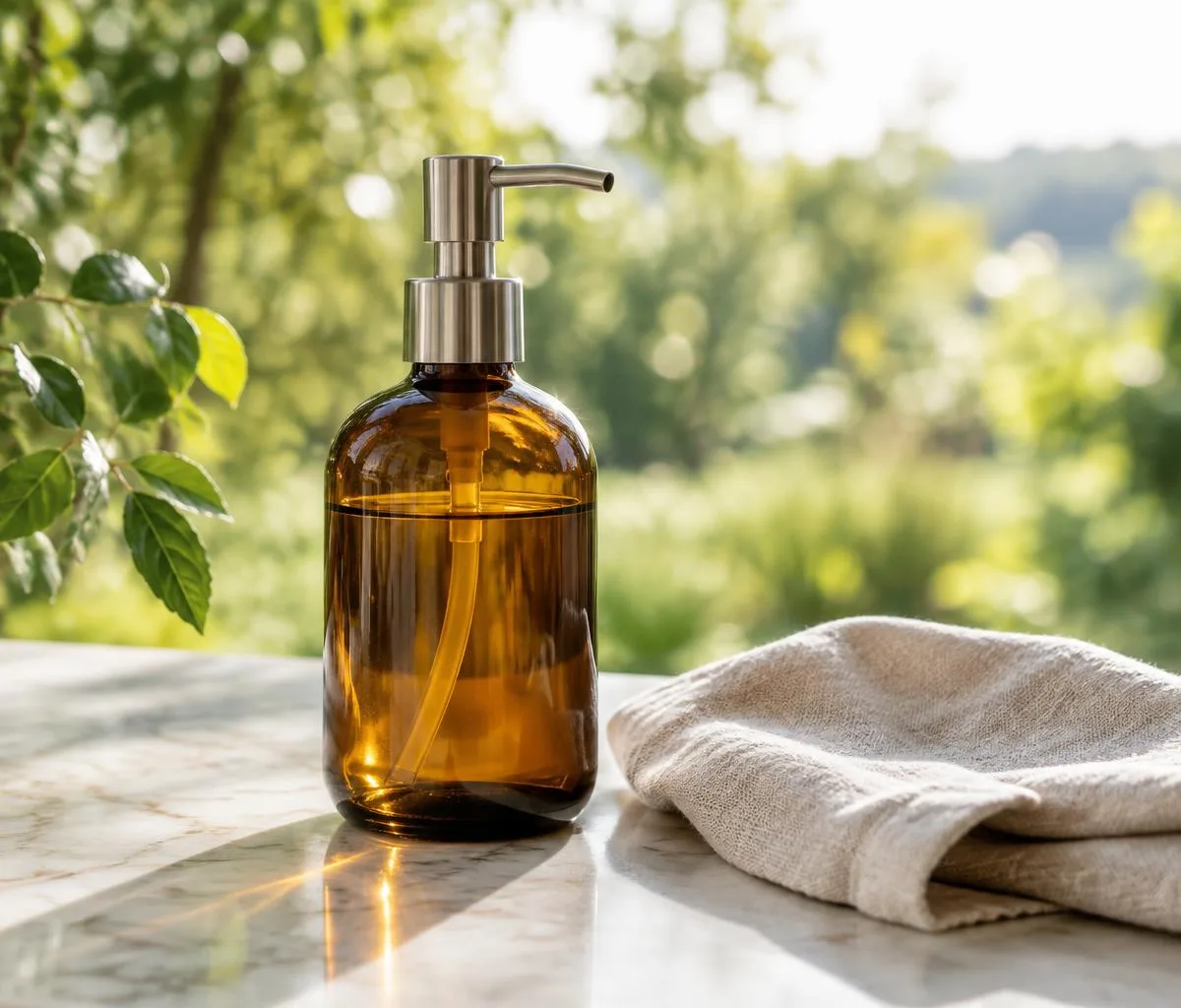

- Mechanical friction during lathering removes more pathogens than water velocity alone.
- Drying thoroughly with clean paper or cloth completes the removal of transient flora.
- Regular application of an emollient counteracts the lipid loss from frequent washings.
The act of washing one's hands is frequently treated as a hurried preamble to daily affairs, executed with little regard for the mechanical principles that govern it. Yet, when performed with deliberate care, this basic habit serves as the primary barrier against the transmission of pathogens and the accumulation of environmental irritants. The skin of the hands is subjected to repeated friction, temperature fluctuations, and chemical agents throughout the waking hours, demanding a method that cleanses thoroughly without degrading the stratum corneum.
A proper routine relies on understanding how soap and water interact with the microscopic topography of human skin. The hands possess ridges, furrows, and subungual spaces that harbor microscopic debris alongside natural lipids. To cleanse them effectively, one must balance chemical solubilization with disciplined mechanical action, taking care to protect the skin barrier from subsequent inflammation. The following instructions outline a systematic, gentle discipline suitable for daily life.
The Physics of Surfactant Friction
Soap operates through the amphiphilic architecture of surfactant molecules, which possess both a hydrophilic head and a lipophilic tail. When introduced to wet skin, these molecules orient themselves around oily soils, cellular debris, and microbial lipid membranes. The hydrophobic tails bond with the lipids, while the hydrophilic heads project outward toward the surrounding water. This orientation suspends non-polar impurities into water-soluble clusters known as micelles, allowing them to be carried away during the rinse.
Chemical action alone remains insufficient without the application of sustained physical friction. The epidermal surface is not flat; it resembles an intricate landscape of microscopic valleys, creases, and hair follicles. Water and resting soap cannot penetrate these recesses through passive contact. Mechanical friction generated by rubbing opposing cutaneous surfaces creates shear force. This force dislodges adhered particles from the epidermal grooves and works the surfactant emulsion into areas that would otherwise remain untouched.
Water temperature also influences this physical interaction, though perhaps not in the manner commonly assumed. While boiling water destroys bacteria, water hot enough to kill microorganisms directly would scald human tissue. Water maintained between 20 and 35 degrees Celsius is ideal. It softens stubborn animal or vegetable fats present on the hands without inducing excessive vasodilation or stripping the natural ceramides necessary for barrier integrity.
| Factor | Mechanical Role | Physiological Consequence |
|---|---|---|
| Surfactant Micelles | Encapsulate non-polar soils and lipid membranes | Enables water-insoluble matter to detach from the epidermis |
| Manual Shear Force | Physically dislodges adhered matter from skin furrows | Ensures lather reaches subungual folds and interdigital spaces |
| Tepid Water (20 to 35 C) | Assists surfactant dissolution and lipid mobility | Minimizes stripping of native intercellular ceramides |
Lather Duration and Full Surface Coverage
An effective cleansing process requires sufficient dwell time to allow surfactants to emulsify contaminants. Public health observations suggest that lathering for less than 15 seconds leaves substantial portions of the hands untouched, particularly the dorsal surfaces and the thumbs. A measured period of 20 to 30 seconds provides adequate time to coat every contour of the hands without subjecting the epidermal barrier to unnecessary chemical exposure.
Coverage must follow an orderly anatomical pattern rather than an aimless circular motion. Begin by dispensing roughly 2 milliliters of liquid soap or working a dense bar soap between wet palms until a rich suspension forms. Distribute this emulsion systematically across every sector of the hand:
- Palmar Rubbing: Rub palm to palm with fingers extended to generate baseline lather across the central pads.
- Dorsal Interlacing: Place the right palm over the left dorsum, interlace the fingers, and rub firmly from knuckles to webbing; then reverse the hands.
- Interdigital Cleansing: Bring palm to palm with fingers interlaced, scrubbing the lateral borders of each digit where moisture and dust often settle.
- Rotational Thumb Enclosure: Clasp the left thumb in the right palm and rotate the grip completely down to the base of the thenar eminence; then repeat for the opposite thumb.
- Subungual Friction: Gather the fingertips of the right hand into a point and rotate them back and forth within the hollow of the left palm to force lather beneath the free edge of the nails, reversing for the right nails.
- Carpal Clearance: Conclude by encircling each wrist with the opposing hand and rotating upward, treating the lower forearm as part of the primary perimeter.
The subungual spaces beneath the fingernails harbor the highest concentration of microbial matter on the human hand. If the free edge of the nail extends beyond 2 millimeters, the mechanical action of palmar rotation becomes indispensable. For those who engage in gardening or manual labor, a soft bristle brush used with light pressure may be applied once daily, taking care not to abrade the delicate hyponychium tissue beneath the nail plate.
Rinsing Mechanics to Prevent Contact Dermatitis
The removal of the surfactant suspension requires as much attention as its initial application. When soap residue remains on the stratum corneum, it continues to interact with the intercellular lipid matrix. Over time, residual surfactants disrupt the delicate organization of fatty acids and cholesterol in the skin, leading to irritant contact dermatitis, characterized by erythema, itching, and uncomfortable tightness.
To rinse correctly, position the hands downward beneath a moderate stream of running water. Water should flow from the wrists toward the fingertips, allowing gravity to carry suspended soils and surfactants off the body rather than washing them back over previously cleansed areas of the forearms. Splashing must be avoided, as rapid agitation can aerosolize accumulated matter onto surrounding surfaces and garments.
Continue the rinsing action for at least 10 to 15 seconds, rubbing the hands together beneath the stream in the same interlacing pattern used during lathering. Do not cease rinsing until the slippery sensation characteristic of dissolved surfactant has vanished entirely from both the palmar and dorsal aspects. The skin should feel smooth and clean beneath the running water, with no visible foam lingering in the interdigital webs or beneath rings.
The Overlooked Step of Complete Drying
Drying is not merely an aesthetic preference; it is a functional component of the hygienic process. Microorganisms transfer far more readily between moist surfaces than between dry ones. Furthermore, water left to evaporate naturally from the hands draws moisture out of the outer layers of the epidermis through trans-epidermal water loss, a physical phenomenon that leaves the skin parched and prone to micro-fissuring.
Single-use textiles or clean woven towels offer substantial advantages over warm air dryers in residential and private working quarters. The physical friction of a towel provides an additional mechanical clearing effect, removing loosened corneal cells and residual particulate matter that survived the rinse. Air dryers, by comparison, can disperse water droplets into the immediate breathing zone while taking upwards of 40 seconds to achieve equivalent dryness, leading many individuals to abandon the process prematurely with damp hands.
When using a cloth or paper towel, employ a deliberate patting motion rather than an aggressive abrasive rub. Begin at the fingertips, proceed to the web spaces between each digit, and finish at the wrists. Ensure that rings are shifted slightly so that moisture trapped beneath bands can be absorbed. If using a paper towel in a shared facility, retain the dry paper to grasp the metal fitting or door handle before disposal, protecting the freshly cleaned skin from immediate recontamination.
Moisture Replenishment for Working Hands
Frequent cleansing, while necessary for hygiene, strips a fraction of the skin's protective sebum with every cycle. Without proactive care, repeated washing leads to barrier dysfunction, leaving the hands vulnerable to cracks, chapping, and secondary irritation. A balanced cleansing routine therefore concludes not at the towel, but with the measured application of an emollient or barrier cream.
An effective hand preparation should contain a balanced mixture of humectants, emollients, and occlusives:
- Humectants: Substances such as vegetable glycerin, hyaluronic acid, and urea draw water molecules from the deeper dermis into the stratum corneum to restore plumpness.
- Emollients: Lipids such as squalane, jojoba oil, and caprylic triglycerides fill the voids between shedding corneocytes, restoring tactile smoothness and flexibility.
- Occlusives: Heavier agents like shea butter, beeswax, or microcrystalline wax form a thin, protective surface film that arrests trans-epidermal water loss.
Apply a pea-sized quantity of moisturizer within three minutes of drying, while the outermost cells retain hydration from the washing process. Warm the formulation between the palms before smoothing it across the backs of the hands, which possess fewer sebaceous glands and suffer dry conditions more acutely than the palms. Work the excess cream into the cuticles and periungual folds. For persistent skin cracking, severe discomfort, or signs of infection, one should suspend self-treatment and consult a qualified dermatologist.
Common Mistakes to Avoid
Even conscientious individuals occasionally introduce errors into their routine that compromise skin health or cleanliness. The following oversights occur with regular frequency:
- Neglecting the Thumbs: Many people wash solely with their fingers parallel, omitting the thumb and its muscular base from the lathering pattern.
- Excessive Water Temperature: Cleansing with hot water strips essential surface oils without offering any measurable antibacterial advantage over lukewarm water.
- Wearing Jewelry Continuously: Rings harbor trapped water, soap residue, and bacterial colonies beneath their bands, frequently causing localized skin irritation.
- Leaving Interdigital Webs Damp: Rushing the drying process leaves water pooled between the fingers, which softens the skin excessively and encourages fungal proliferation.
- Overusing Harsh Sanitizers: Relying predominantly on alcohol rubs when soap and water are readily accessible leads to excessive lipid dissolution and cutaneous dehydration over time.
Practical Next Steps for the Household
Establishing this routine requires small, physical adjustments to one's immediate environment. Begin by auditing the cleansing agents present at household sinks. Replace harsh, heavily scented industrial detergents with mild, surfactant-based liquid washes that utilize gentle cleansing bases. Ensure that water mixing valves are adjusted so that comfortable, lukewarm water flows without sudden shifts toward extreme heat.
Place dedicated, clean hand towels near every wash basin, reserving separate cloths for individual users, and replace them every two to three days to prevent bacterial accumulation within damp fabric. Keep a pump-dispenser of fragrance-free barrier cream immediately adjacent to the basin, ensuring that replenishment becomes as instinctual as the wash itself. By practicing these deliberate movements throughout the coming week, the process ceases to be a tedious task and assumes its rightful place as an unhurried, restorative discipline of daily life.
This journal provides educational content only; please consult a qualified dermatologist or physician for specific medical conditions. Disclaimer