 Lavamere
Discover the precise chemical differences between traditional saponified bars and syndet liquid cleansers. You will be able to select the appropriate formulation for your skin type and municipal water supply.

- True saponified soaps possess an alkaline pH that temporarily alters the acid mantle.
- Synthetic detergent liquid washes offer neutral pH balancing suited for dry conditions.
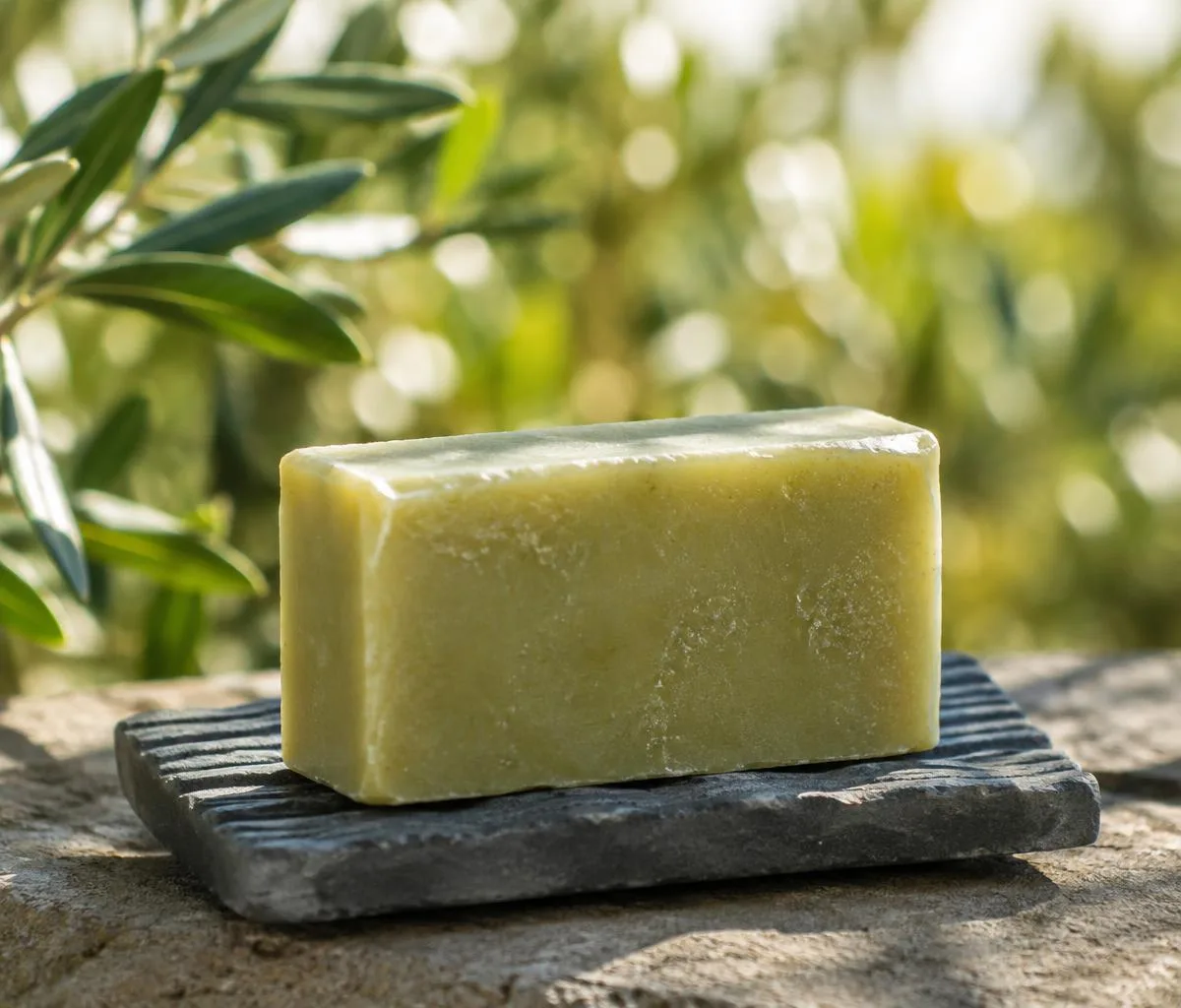
- Bar cleansers require well-drained dishes to inhibit surface bacterial accumulation.
The daily bath remains one of the oldest rituals of personal care, yet the chemistry underlying modern cleansing is frequently misunderstood. When one steps into the shower, the fundamental task is to remove excess sebum, environmental particulate matter, desquamated corneocytes, and transient microorganisms without compromising the structural integrity of the skin barrier. For decades, the household choice fell strictly between a traditional bar of soap and, later, the liquid body wash. While personal preference often governs this decision, the biological response of the epidermis depends directly upon the molecular architecture of the formulation.
The human stratum corneum is composed of anucleated corneocytes embedded within an organized lipid matrix of ceramides, cholesterol, and free fatty acids. This arrangement functions as a permeable defense against dehydration and pathogen colonization. Every cleanser interacts with this lipid mantle. Whether presented in solid or liquid form, the surfactant molecules within the product bind to both water and oil, lifting hydrophobic soil into suspension. However, the exact chemical pathway used to manufacture that cleansing agent dictates whether the skin retains its natural moisture or suffers acute barrier perturbation.
The Process of Saponification Explained
True soap is the direct outcome of saponification, an organic chemical reaction between an ester and an inorganic base. In cosmetic manufacturing, plant-derived triglycerides, such as olive, coconut, or palm oil, or animal fats such as tallow, are blended with a concentrated alkaline solution. When producing solid bars, manufacturers introduce sodium hydroxide, commonly termed lye. For liquid paste soaps, potassium hydroxide serves as the saponifying agent due to its ability to yield softer, more soluble carboxylate salts.
During this transformation, the ester bonds of the triglyceride molecules cleave under heat and agitation. The resulting products are fatty acid salts, which constitute the soap molecules, and free glycerin. In industrial batch processing, the raw glycerin is occasionally separated and extracted for use in higher-value cosmetic applications. Artisan and luxury bar manufacturers, by contrast, retain this glycerin within the bar to provide intrinsic humectant properties that partially counteract the drying tendencies of pure soap salts.
A crucial consideration in classical bar production is the practice of superfatting. Formulators intentionally calculate a slight deficit of sodium hydroxide, typically leaving between 4 percent and 8 percent of the oils unreacted. These neutral lipids remain dispersed throughout the finished solid bar. As the bar cleanses, these unhydrolyzed triglycerides help replenish surface sebum, softening the impact of the alkaline salts on the skin.
Syndet Formulations and Synthetic Surfactants
The term syndet is a contraction of synthetic detergent. Developed initially during the early twentieth century when wartime shortages limited the supply of natural fats, syndet technology fundamentally altered cosmetic hygiene. Unlike saponified soaps, syndet cleansers are synthesized from petrochemical or oleochemical feedstocks through targeted chemical reactions such as sulfonation, ethoxylation, and esterification. These ingredients can be cast into solid cleansing bars, commonly marketed as beauty bars, or suspended within aqueous liquid body washes.
Liquid body washes rely on carefully balanced surfactant systems to deliver foaming and cleansing at lower viscosity. A primary surfactant, such as sodium laureth sulfate or sodium cocoyl isethionate, establishes the main cleansing action. To mitigate potential irritation, chemists introduce secondary or amphoteric surfactants, such as cocamidopropyl betaine or sodium cocoamphoacetate. These secondary molecules intercalate between the harsher primary surfactant micelles, increasing micellar size and reducing their capacity to penetrate the living layers of the epidermis.
In addition to active surfactants, a typical liquid body wash contains between 65 percent and 85 percent purified water. This aqueous base requires the addition of rheology modifiers, such as carbomers, xanthan gum, or sodium chloride, to produce a stable, pourable gel. Liquid vehicles also permit the inclusion of water-soluble conditioning agents, including polyquaternium compounds and hydrolyzed proteins, which deposit a light hydrophobic film on the stratum corneum during the brief interval before rinsing.
Measuring pH Levels Across Cleanser Types
The human skin surface is naturally acidic, maintaining an average pH value between 4.7 and 5.5. This acid mantle is preserved through the secretion of lactic acid, sebum-derived free fatty acids, and the activity of sodium-hydrogen antiporters in the stratum corneum. An acidic environment is indispensable for enzymatic processes that regulate desquamation and ceramide synthesis, while concurrently discouraging the proliferation of pathogenic bacteria like Staphylococcus aureus.
Traditional saponified soaps are intrinsically alkaline. The chemical equilibrium of fatty acid carboxylate salts requires an aqueous pH ranging from 9.0 to 10.5 to remain stable. If a chemist attempts to lower the pH of a traditional soap bar below 8.0 by introducing citric or lactic acid, the fatty acid salts precipitate out of solution, causing the bar to lose its structural coherence and foaming ability. Consequently, washing with true soap temporarily raises the cutaneous pH by 1.2 to 2.0 units, a state that can persist for several hours depending on individual buffering capacity.
Conversely, syndet formulations, whether pressed into bars or bottled as liquids, operate independently of this alkaline constraint. Synthetic surfactants retain their solubility and surface activity across a broad pH spectrum. Formulators typically adjust syndet products with organic acids to match the skin's physiological baseline, generally between 5.0 and 6.0. Maintaining this acidic profile avoids the swelling of keratin filaments and minimizes the denaturation of critical stratum corneum enzymes.
| Cleanser Category | Typical pH Range | Primary Cleansing Agent | Impact on Stratum Corneum Enzymes |
|---|---|---|---|
| Cold-Process True Soap | 9.2 to 10.3 | Sodium olivate, sodium cocoate | Suppresses acidic lipid-processing enzymes temporarily |
| Commercial Syndet Bar | 5.0 to 6.5 | Sodium cocoyl isethionate | Minimal disruption to enzymatic equilibrium |
| Liquid Body Wash | 5.0 to 5.8 | Sodium laureth sulfate, alkyl glucosides | Supports native acid mantle preservation |
| Castile Liquid Soap | 8.8 to 9.8 | Potassium olivate | Induces transient surface alkalization |
The Interaction with Hard and Soft Water
The chemical composition of domestic tap water profoundly influences how both soaps and syndets behave on the skin. Hard water contains elevated concentrations of multivalent mineral cations, primarily calcium (Ca2+) and magnesium (Mg2+). When a traditional saponified soap encounters these ions, a double displacement reaction occurs. The sodium or potassium ions are displaced by calcium, generating insoluble salts such as calcium stearate, familiar to most households as soap curd or scum.
This insoluble precipitate adheres tenaciously to shower surfaces, bathroom porcelain, and human skin. When soap scum remains on the stratum corneum, it can cause physical occlusion of follicular orifices and generate subjective sensations of tightness and pruritus. To counter this, individuals in hard-water regions often scrub more vigorously, accelerating mechanical damage to the barrier. Synthetic detergents do not form these insoluble mineral complexes; their molecular configurations remain soluble even in the presence of high calcium carbonate concentrations, allowing them to rinse away cleanly.
Soft water presents the inverse phenomenon. Devoid of significant calcium and magnesium ions, soft water allows surfactants to lather abundantly. However, true soaps and some synthetic surfactants can prove difficult to rinse away entirely in soft water. Users often report a slippery, persistently coated tactile sensation, which is simply the surfactant monolayer remaining temporarily on the hydrated skin surface rather than unrinsed chemical residue.
Storage Considerations for Solid Bars
The physical longevity and hygienic integrity of a cleansing bar depend upon post-cleansing handling. Because traditional bars and solid syndets contain hydrophilic components designed to interact readily with water, sustained exposure to pooling moisture induces softening, often referred to as sloughing or slumping. This process wastes usable product and creates an ideal microenvironment for bacterial persistence on the bar exterior.
To preserve the density and structural integrity of a solid bar, one should observe precise storage protocols:
- Employ a raised, slatted resting surface manufactured from unsealed timber, ceramic, or stainless steel that permits air circulation beneath the bar.
- Position the dish outside the direct trajectory of the shower spray, preferably on a dry ledge or external shelf.
- Wipe away accumulated fluid beneath the soap dish twice weekly to prevent stagnant moisture from rehydrating the lower perimeter of the bar.
- Allow a minimum drying period of twelve hours between uses, which hardens the outer layer and diminishes the rate of product dissolution during subsequent applications.
Preservation represents another notable difference between formats. Solid bars possess low water activity, typically registered below an aw value of 0.70 once dry, which naturally suppresses most bacterial and fungal growth without extensive chemical additives. Liquid body washes, containing high proportions of unbound water, cannot survive without broad-spectrum preservative systems, such as phenoxyethanol, ethylhexylglycerin, or sodium benzoate, to prevent contamination by opportunistic pathogens in humid shower enclosures.
Selecting Based on Climate and Skin Condition
Climatic factors dictate the environmental stress placed upon the cutaneous barrier. In dry, sub-zero winter conditions or arid continental climates, the absolute humidity of ambient air falls sharply. Under these conditions, the trans-epidermal water loss (TEWL) rate accelerates. Skin suffering from winter xerosis requires cleansers that deposit emollients rather than strip away intercellular lipids.
For individuals residing in dry regions, or those managing conditions characterized by barrier impairment such as atopic dermatitis or senile xerosis, neutral-to-acidic syndet cleansers are generally preferred. A liquid body wash enriched with humectants, such as vegetable glycerin or sodium PCA, minimizes barrier disruption during cleansing. If a bar is preferred, it should explicitly belong to the syndet category or feature substantial superfatting with non-comedogenic oils.
In hot, humid, or equatorial climates, sebum production increases, and cutaneous debris mixes with active perspiration. Under these circumstances, a traditional cold-process bar soap or a clarifying syndet wash may provide a cleaner sensory profile. The higher alkaline charge of true soap solubilizes heavy lipid films with remarkable efficacy, leaving the skin feeling thoroughly refreshed. Nonetheless, individuals with sensitive skin should exercise restraint, as high cleansing efficiency can inadvertently provoke compensatory sebum production if the acid mantle is degraded.
Common Mistakes
A frequent error is assuming that natural ingredients are inherently gentle. Artisanal cold-process soaps crafted from organic coconut, olive, and shea oils are frequently described as mild; yet, by virtue of basic chemistry, they remain high-pH alkaline salts that can irritate delicate or reactive skin. The chemical species produced by the saponification reaction governs the product's behavior, regardless of how pure the starting agricultural materials were.
Another regular misstep involves using mechanical cleansing tools indiscriminately. Applying a high-pH bar or an aggressive liquid surfactant with an abrasive polypropylene mesh sponge compounds chemical disruption with physical friction. For compromised skin, gentle manual application using the hands is nearly always preferable to rough accessories, which harbor microbial colonies if left damp.
Finally, consumers often fail to adjust their cleansing choices across seasonal shifts. Retaining a high-foaming, highly degreasing wash throughout the dry months of the year compromises the stratum corneum, predisposing the body to winter eczema and persistent itching that moisturizers cannot easily resolve on their own.
Practical Steps for Cleanser Selection
When selecting a cleansing product, consider this disciplined sequence to determine the appropriate format for your household:
- Inspect the ingredient list to determine product taxonomy. If the label lists sodium hydroxide, potassium hydroxide, or saponified oils, the item is a classical soap. If it lists sodium cocoyl isethionate, sulfosuccinates, or betaines, it is a syndet.
- Assess the mineral hardness of your municipal water supply. If you possess hard water and observe white scale on your fixtures, favor synthetic liquid body washes or syndet bars to avoid calcium scum deposition on your skin.
- Evaluate your personal skin profile. If you experience chronic flaking, persistent redness, or inflammatory barrier conditions, choose a cleanser that specifies an adjusted pH near 5.5 and lacks volatile fragrance components.
- Equip your bathing area with appropriate drainage accessories if selecting solid bars, ensuring the soap dries completely between uses to prolong its life and maintain hygiene.
- Observe cutaneous behavior over a fourteen-day trial period. Persistent post-cleansing tightness indicates excessive lipid removal, signaling that a lower surfactant concentration or a more emollient medium is warranted.
Should severe irritation, persistent erythema, or unexplained dermatological discomfort continue despite adjusting your bathing products, schedule a formal consultation with a board-certified dermatologist for a comprehensive skin barrier assessment.
This journal provides educational content only; please consult a qualified dermatologist or physician for specific medical conditions. Disclaimer